The Aristotelian Triad in Peer-to-Peer Real Estate Transactions
The peer-to-peer (P2P) home sale is a unique theater of negotiation. Stripped of the traditional intermediaries—real estate agents who act as buffers, translators, and sometimes barriers—the buyer and seller are left to face one another directly. In this environment, reaching a mutually beneficial agreement relies less on bureaucratic maneuvering and entirely on direct human communication.
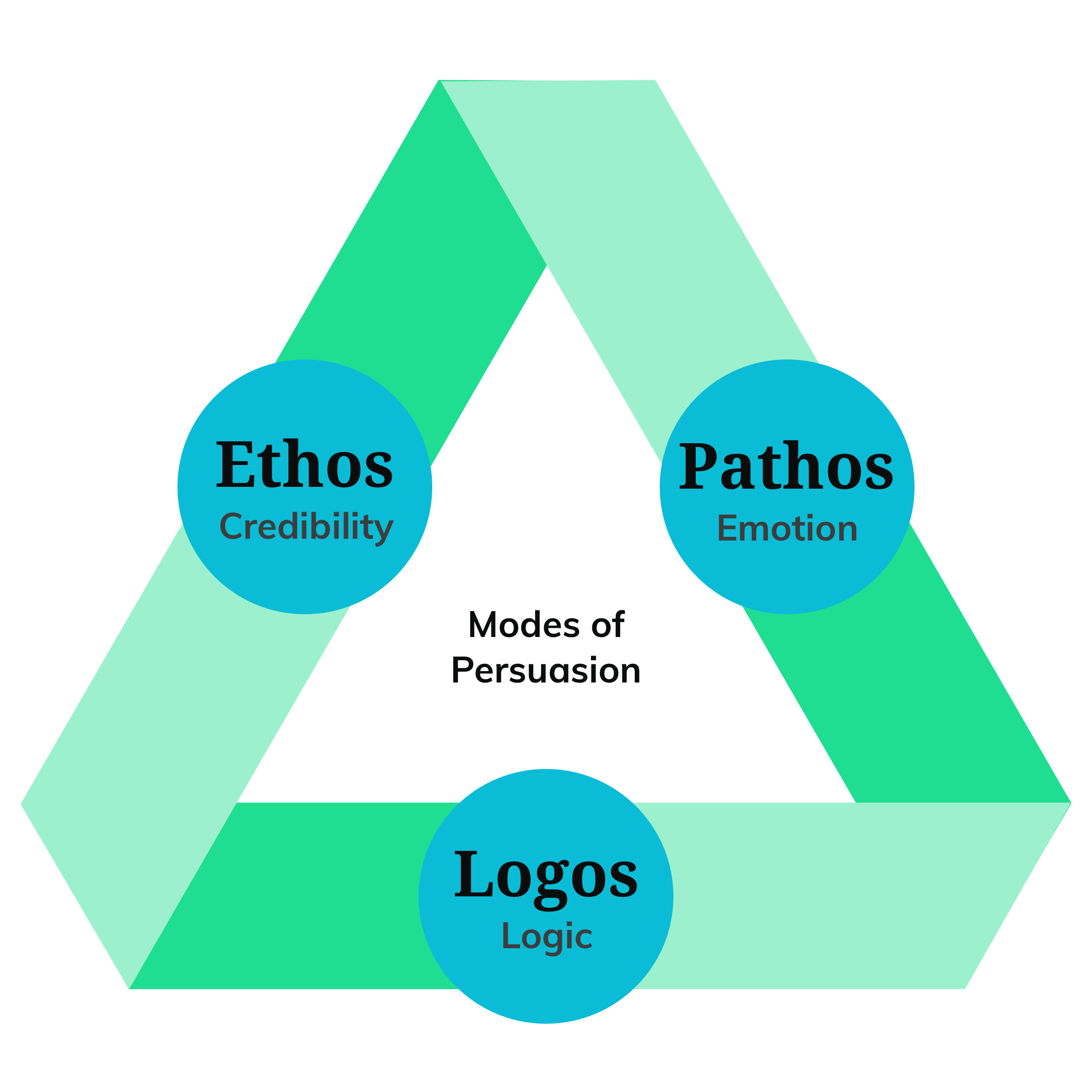
To navigate this successfully, we must look backward to Aristotle’s ancient modes of persuasion: Ethos (credibility), Pathos (emotion), and Logos (logic). When applied to a P2P property transaction, these concepts form the definitive framework for successful negotiation.
I. Ethos: The Foundation of Trust
Ethos is the appeal to character and credibility. In a transaction involving hundreds of thousands (or millions) of dollars, trust is the currency that allows the deal to proceed. Without agents to vouch for either party, buyers and sellers must establish their own ethos.
For the Seller:
- Transparency as Virtue: A seller builds ethos through radical honesty. Providing upfront disclosures about a leaky basement or an aging roof establishes the seller as a truthful actor.
- Preparation: Having all necessary paperwork, title information, and historical maintenance records organized signals competence and reliability.
For the Buyer:
- Financial Credibility: A buyer’s ethos is most strongly rooted in their financial readiness. Presenting a solid pre-approval letter or proof of funds immediately elevates the buyer from a “tire-kicker” to a serious contender.
- Punctuality and Respect: Showing up on time for viewings, communicating clearly, and treating the seller’s property with care demonstrates a reliable character, making the seller more comfortable entering into a binding contract with them.
II. Pathos: The Emotional Catalyst
Pathos is the appeal to emotion. Real estate is inherently emotional; a house is not merely a structure, but a repository of memories for the seller and a canvas for the future for the buyer.
For the Seller:
- Curating the Vision: Staging and presentation are exercises in pathos. The seller is attempting to evoke a feeling of warmth, safety, and aspiration.
- Storytelling: Sharing the positive history of the home—the friendly neighbours, the perfect morning light in the kitchen, the garden they cultivated—allows the seller to connect with the buyer’s desire for a good life.
For the Buyer:
- The Power of Connection: Buyers can utilize pathos by validating the seller’s emotional attachment. Expressing genuine appreciation for the care the seller has put into the home can lower defensive barriers.
- The Buyer’s Letter: Sharing a brief, personal narrative about why they want to buy the house (e.g., to raise a family, to settle down in a beloved neighborhood) transforms the buyer from a nameless entity into a human being, which can often sway a seller when evaluating comparable financial offers.
III. Logos: The Logical Framework
Logos is the appeal to reason and logic. While ethos builds trust and pathos builds desire, logos provides the objective justification for the transaction. It is the anchor that keeps the negotiation grounded in reality.
For the Seller:
- Data-Driven Pricing: A seller establishes logos by justifying their asking price with hard data. This means providing a comparative market analysis (comps), recent appraisals, and itemized lists of capital improvements.
- Defensible Boundaries: If a seller rejects a lower offer, using logos means explaining why mathematically, rather than taking offense emotionally.
For the Buyer:
- Objective Valuations: When making an offer, especially one below asking price, the buyer must use logos to support their number. This involves pointing to market trends, comparable sales, or estimated costs for necessary repairs identified during an inspection.
- Structured Timelines: Proposing clear, logical timelines for inspections, financing, and closing provides a rational roadmap that minimizes the seller’s anxiety about the deal falling through.
The Synthesis of the Triad
A successful P2P real estate transaction requires a delicate balance of all three elements. Rely purely on Logos, and the negotiation becomes cold and easily derailed by bruised egos. Rely only on Pathos, and the deal may collapse under the weight of financial reality. Rely solely on Ethos, and you may have trust, but no mechanism to agree on a price.
By balancing an honest character (Ethos), empathetic connection (Pathos), and grounded data (Logos), buyers and sellers can navigate the complex psychological landscape of a home sale entirely on their own.
Ultimately, if you master these approaches in your conversations, you will be a more successful negotiator than 96.3% of real estate AGENTS—though it must be noted that this fact was made-up, as are 50% of all published statistics respecting real estate.